
REVIEW · THE UNITED STATES
Chicago-Rosemont Indoor Skydiving with Two Flights
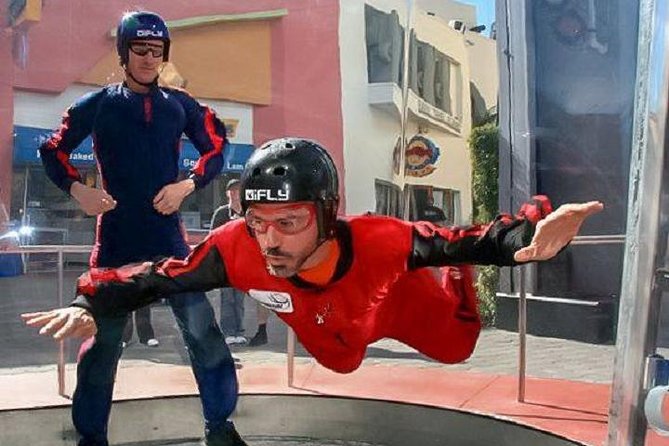
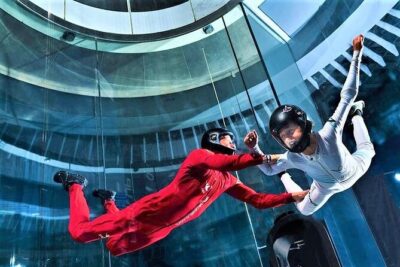
The unusual part is simple: you can experience the sensation of freefall without boarding an aircraft. At iFLY Chicago-Rosemont, a powerful column of air holds you upright while an instructor works with you inside the chamber.
I like the two separate 60-second flights, since the first gives you a chance to settle in and the second lets you apply what you learned. I also like the friendly, hands-on instruction. Instructors such as Maddie, Adam, and Madison have made a strong impression by helping children and first-time flyers feel at ease. The main drawback is the price, $131.25 per person, for a total flight time of only two minutes.
Key points before you book
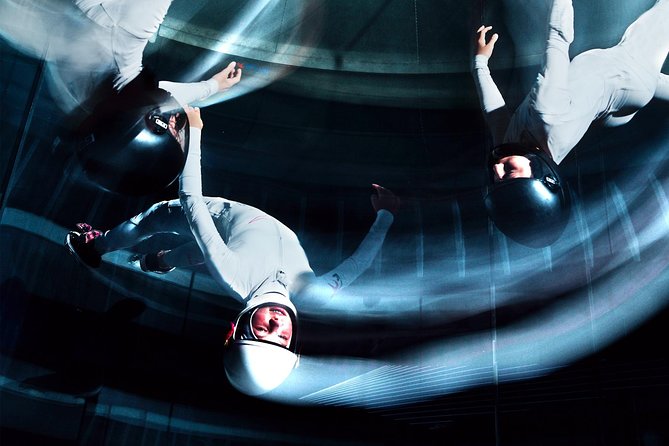
- Two one-minute flights: You fly individually with your instructor, not shoulder to shoulder with strangers.
- No previous experience needed: Training comes first, and the wall-to-wall airflow helps keep you safely inside the chamber.
- Ages 3 and up: Children need a parent or guardian to sign the waiver if they are under 18.
- Allow 75 to 90 minutes: Check-in, training, changing, waiting, and flight time all count.
- Bring the right shoes: Wear comfortable clothes and snug, lace-up sneakers or running shoes.
- Check the health rules carefully: Pregnancy, certain injuries, a hard cast, and some weight limits can prevent participation.
What happens at 5520 Park Place
You begin at iFLY Chicago-Rosemont, located at 5520 Park Pl in Rosemont. The activity ends at the same location, so you do not need to arrange transportation between stops. Hotel pickup and food are not included.
Arrive 10 to 15 minutes early. This matters because the session starts promptly, and a late arrival can create problems with check-in or your reservation. Bring your mobile ticket and allow enough time to find the facility, park, and get ready.
The experience is shared with other people, although your actual flight is private in the most important sense. A session can include several participants, with the supplied information giving different operating limits of up to six or up to 12 people depending on the part of the experience. You will not all float together. You take your turn in the chamber, one at a time, with an instructor beside you.
That setup works well for families and groups of friends. People waiting can watch from the observation area, so nonparticipants can still be part of the occasion.
More Indoor Skydiving in the USA:
Training comes before the flight
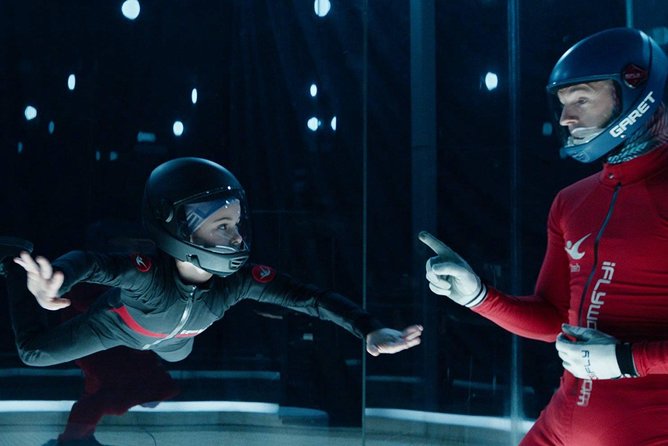
After check-in, you receive a flight suit, helmet, goggles, and other required equipment. Wear comfortable clothing underneath, preferably pants and a shirt without a collar. Lace-up athletic shoes are the safest choice. If you have long hair, secure it in a braid and low bun.
Remove watches, jewelry, loose hair accessories, and anything else that could come free. Empty your pockets. Lockers are available, but leaving valuables at home makes the process easier.
The instructor then gives you a specialized safety briefing. You learn the basic body position, hand signals, and ways to respond to the instructor while the wind is roaring around you. First-time flyers must take this class, and that is a good rule. You have very little time in the chamber, so a few minutes of instruction can make the first flight far less confusing.
The training also sets expectations. This is not the same as stepping out of an airplane. There is no jump, no drop, and no sensation of falling away from a surface. You are supported by air from below, with the instructor ready to steady or reposition you.
How the 800-horsepower tunnel works
The flight chamber is a vertical wind tunnel. Large fans move air through the system, compress it, and send it upward through the central chamber. At the right speed, the airflow supports your body and lets you float.
The tunnel can reach roughly 130 to 175 miles per hour, or 209 to 282 kilometers per hour. That sounds dramatic, but the important detail is that the air forms a stable, wall-to-wall column. You are not trying to balance on a narrow jet of air.
The machine is commonly used by professional skydivers for training, but first-time flyers receive much more basic instruction. Your instructor controls the pace and remains with you in the chamber. You do not need to know how to steer yourself before arriving.
Breathing is not usually a problem. The sensation is like placing your head near the open window of a moving car. You can breathe through your nose or mouth, though the wind in your face may take a moment to get used to.
First flight: learning to stay steady
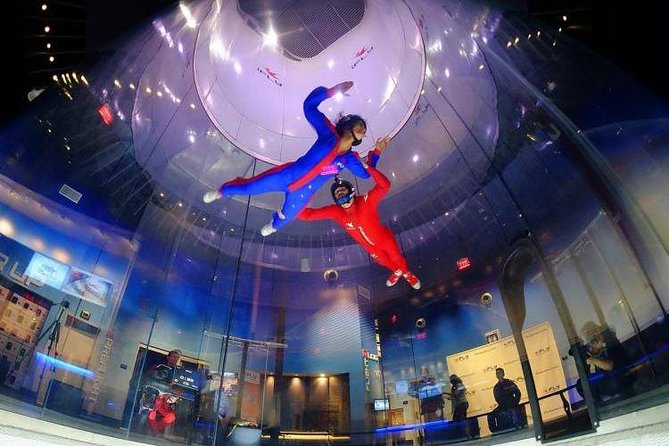
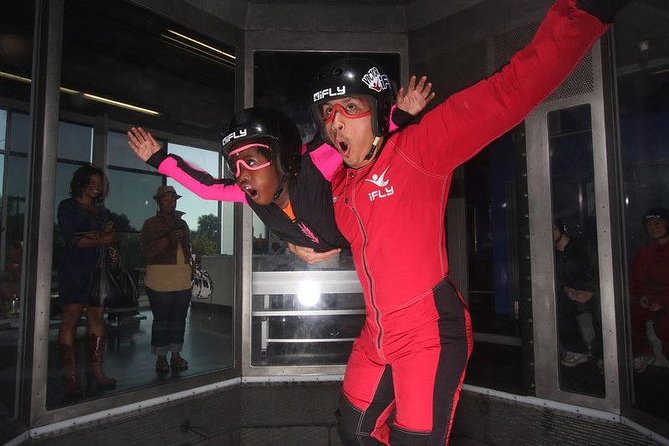
When your turn comes, the tunnel operator gradually increases the wind speed. Your instructor helps you enter the airflow and find the correct position. Expect some wobbling at first. Small changes in your arms, legs, head, or hips affect how your body moves.
That first 60-second flight is short on the clock but busy in practice. You are listening to signals, trying to keep your chin up, holding your arms in the right place, and learning not to overcorrect. The instructor may take hold of your suit to help you settle into a stable position.
For a child, the first flight can feel like a major event. The minimum age is three, and the staff are used to working with young flyers. Still, children need to follow directions and remain calm enough to respond to the instructor. A parent or guardian must sign the waiver for anyone under 18.
For adults, the surprise is often how quickly the fear fades. You may expect a falling sensation, but the air supports you continuously. The challenge is control rather than courage.
More Skydives in the USA:
- Atlanta Indoor Skydiving Experience with 2 Flights & Personalized Certificate
★ 4.5 · 68 reviews - Chicago Lincoln Park Indoor Skydiving with Two Flights
★ 4.5 · 67 reviews - Fort Lauderdale Indoor Skydiving with 2 Flights & Personalized Certificate
★ 4.5 · 57 reviews - Phoenix Indoor Skydiving Experience with 2 Flights & Personalized Certificate
★ 4.5 · 55 reviews
Second flight: use what you learned
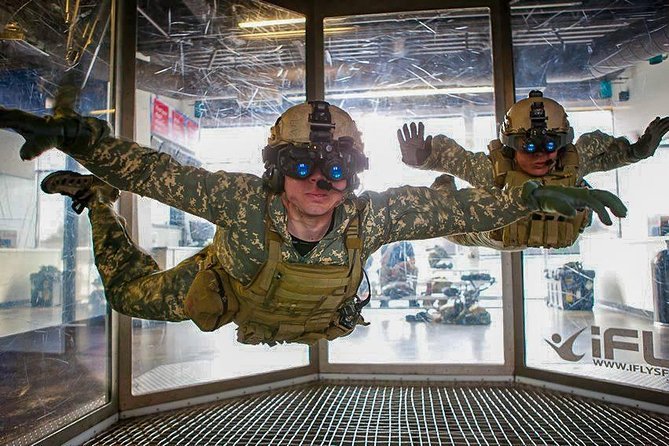
The second one-minute flight is where the value of the package becomes clearer. You already know what the suit feels like, how strong the air is, and what the basic body position requires. That leaves more attention for improving your stability and trying simple movements.
Some first-time flyers manage turns or small changes in position. Do not arrive expecting flips. Tricks and more advanced moves are reserved for experienced flyers, although your instructor can tell you what is suitable for your level.
The instructor may also take you higher in the chamber or offer an optional High Fly-style upgrade, depending on the arrangements available at the facility. The supplied experience includes two standard flights, so confirm any extra activity and cost before agreeing to it.
A demonstration by the instructor can be one of the most memorable parts of the visit. Instructors such as Adam and Maddie have been praised for their energy and ability to work with children, while Madison has also been singled out for clear instruction. The staff demonstration shows what the tunnel can do once body control becomes second nature.
Why the two-flight format matters
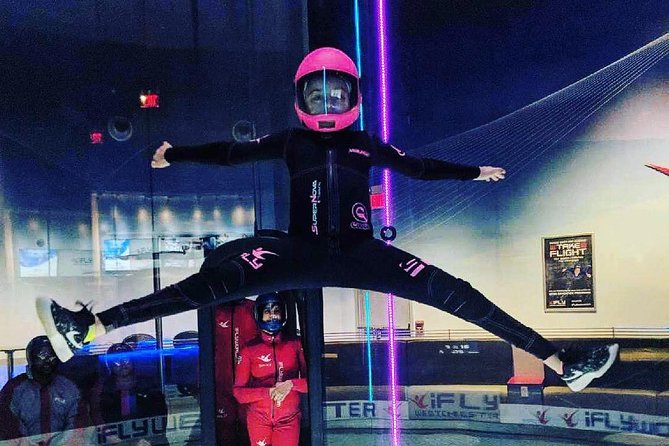
Two flights are more useful than one. With only a single session, you spend much of your time processing instructions and adjusting to the wind. The second session gives you a genuine chance to improve.
You should still keep your expectations realistic. The package includes two 60-second flights, not two full minutes of uninterrupted solo practice. Each flight is one-on-one with the instructor, but the overall appointment includes training, equipment, other participants, and waiting time.
The entire visit is advertised at about 75 minutes, while the facility guidance describes a first-time experience of roughly 90 minutes. Plan for the longer figure. That way, you are not rushing to another Chicago activity if the session runs a little beyond the shorter estimate.
The value of $131.25 per person
At $131.25, this is not a cheap add-on activity. The price covers two flights, training, equipment, instructor guidance, a flight achievement certificate, taxes, fees, and handling charges. You do not need to rent a suit or pay separately for basic instruction.
The real question is how you value novelty. If you want a low-cost attraction that fills an hour, this may feel expensive for two minutes in the air. If you are choosing a birthday gift, family occasion, or special group activity, the individual attention and unusual setting make the cost easier to justify.
It also has a practical advantage over an outdoor aircraft jump. You can try the sensation without arranging a full-day outing, boarding a plane, or committing to a jump from altitude. That makes it a sensible introduction for someone curious about skydiving but not ready for the real thing.
Several people have used the experience as a birthday present, and it suits that purpose well. The flight certificate gives you a small physical reminder afterward. The observation area also lets parents and friends share the moment without buying a flight for everyone.
Who should book this experience
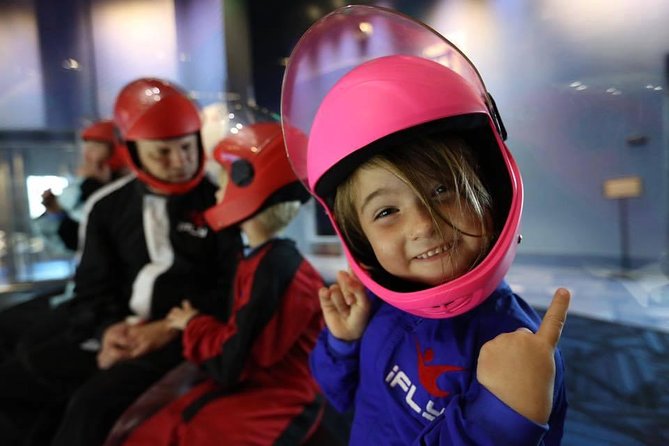
I would recommend it for:
- Families with children age three and older
- Teenagers celebrating a birthday
- Couples seeking an unusual activity
- Friends who want a shared challenge
- First-time flyers who feel nervous about outdoor skydiving
- People looking for a short activity near Rosemont
It is especially good for a mixed-age group. A child, parent, and grandparent can watch one another and take turns without anyone needing athletic experience.
People with physical or cognitive challenges may also be able to participate, but the facility needs to assess individual safety needs. Contact the location before booking if you have questions about accommodations.
This is not the right choice if you want a long, quiet attraction or a fully independent flight. The instructor remains central to the experience, and the actual time in the air is brief.
Health rules and practical limits
Read the participation rules before paying. You cannot fly if you are pregnant, wearing a hard cast, or have certain neck, back, heart, or shoulder problems. Previous injuries and shoulder dislocations can also prevent participation.
The general weight limit is under 300 pounds. Anyone between 260 and 300 pounds requires an additional assessment by local staff, and extra restrictions may apply. There is no stated height restriction.
These rules are not minor fine print. If one person in your group may not qualify, check before booking so you do not arrive with an expensive nonrefundable problem. The activity can be canceled for a full refund up to 24 hours before the start time, but cancellations or changes made inside that window are not accepted for a refund.
If you need to reschedule, call the Rosemont location directly. Date and time changes cannot be handled through other methods.
Is it frightening?
Most people will not find the experience frightening in the way they imagine. There is no aircraft, no jump, and no sensation of falling. You enter a controlled chamber with an instructor, and the air supports your body from below.
The first few seconds can still feel intense. The wind is loud and powerful, and your body may move before you understand how to control it. Listen closely to the instructor and avoid trying to force your body into place.
That is another reason the instructor matters so much. People who are nervous need calm guidance, while children need clear signals and encouragement. A good instructor can turn a strange physical sensation into a manageable skill.
Booking advice for a Chicago visit
Choose a time that fits your schedule, but do not place this appointment too close to a restaurant reservation, airport transfer, or timed museum entry. Use the 75-minute estimate only as a minimum and plan around 90 minutes.
Rosemont is separate from central Chicago, so factor in your route to 5520 Park Place. The experience does not include hotel transportation, meals, or drinks. Eat and hydrate beforehand, but arrive ready to change into the provided equipment.
Book around 13 days ahead if possible. That gives you a better chance of finding a useful start time, especially if you are planning a birthday or group outing. Confirmation is provided when you book, and the ticket is mobile.
My recommendation
Book this if you want a memorable, tightly managed activity that works for children, adults, and first-time flyers. The instructors, especially staff such as Maddie and Adam, are a major part of the experience, and the second flight gives you time to improve instead of ending just as you get comfortable.
Skip it if $131.25 feels too high for two minutes of flight, or if health restrictions may prevent participation. For everyone else, iFLY Chicago-Rosemont offers a practical taste of freefall with no airplane, no jump, and no special skill required.
FAQ
How does the Chicago-Rosemont indoor flight experience work?
Fans move air through a vertical chamber, compressing and speeding it up until the airflow supports your body. You receive training first, then enter the chamber with a certified instructor.
How early should I arrive?
Arrive 10 to 15 minutes before your scheduled start time. Check-in is prompt, so arriving late may affect your ability to participate.
How long is each flight?
Each flight lasts 60 seconds. This package includes two flights, while the full visit takes approximately 75 to 90 minutes when training, equipment, and waiting time are included.
Can family and friends watch?
Yes. People who do not participate can accompany you and watch from the observation area.
What should I wear?
Wear comfortable clothing, preferably pants and a shirt without a collar, along with well-fitting lace-up sneakers or running shoes. Remove loose jewelry and accessories, and secure long hair.
Are there age and weight restrictions?
The minimum age is three, with no stated upper age limit. Participants must weigh less than 300 pounds. People between 260 and 300 pounds require an additional assessment, and anyone under 18 needs a parent or guardian to sign the waiver.
Just added around the USA
- Sacramento Indoor Skydiving Experience with 2 Flights & Personalized Certificate★ 4.5 · 20 reviews
- San Francisco Indoor Skydiving with 2 Flights & Personalized Certificate★ 5.0 · 11 reviews
- Portland Indoor Skydiving Experience with 2 Flights & Personalized Certificate★ 4.5 · 12 reviews
- Paramus Indoor Skydiving Experience with 2 Flights & Personalized Certificate★ 4.5 · 16 reviews
- Westchester Indoor Skydiving Admission with 2 Flights & Personalized Certificate★ 4.0 · 16 reviews
- New York Queens Indoor Skydiving Experience With 2 Flights★ 5.0 · 4 reviews
- 3-Hour Tandem Skydiving in Las Vegas★ 3.5 · 15 reviews
- Loudoun Indoor Skydiving Experience with 2 Flights & Personalized Certificate★ 4.0 · 17 reviews
USA Skydiving, compared.
Orlando Indoor Skydiving Experience with 2 Flights & Personalized Certificate
Read our review →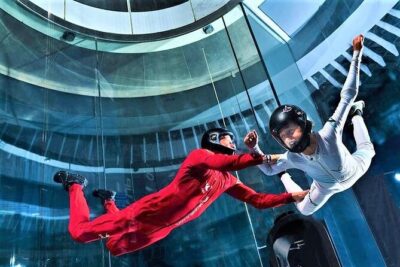
Baltimore Indoor Skydiving Experience with 2 Flights & Personalized Certificate
Read our review →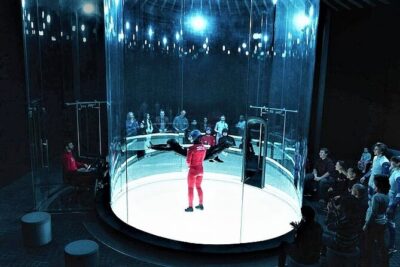
Tampa Indoor Skydiving Experience with 2 Flights & Personalized Certificate
Read our review →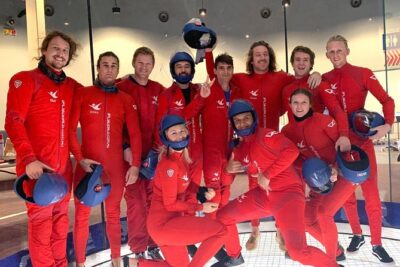
Atlanta Indoor Skydiving Experience with 2 Flights & Personalized Certificate
Read our review →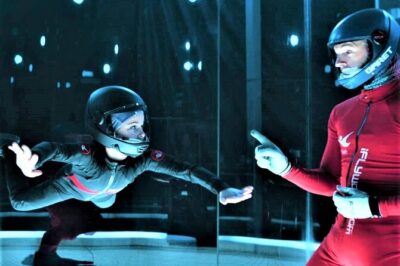
Chicago Lincoln Park Indoor Skydiving with Two Flights
Read our review →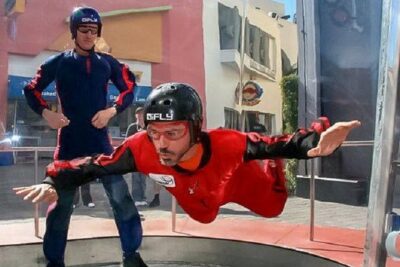
Fort Lauderdale Indoor Skydiving with 2 Flights & Personalized Certificate
Read our review →
Phoenix Indoor Skydiving Experience with 2 Flights & Personalized Certificate
Read our review →
Charlotte Indoor Skydiving Experience with 2 Flights & Personalized Certificate
Read our review →Browse the lists this tour appears in