
REVIEW · THE UNITED STATES
Austin iFLY Skydiving Simulator with Instructor and Gear
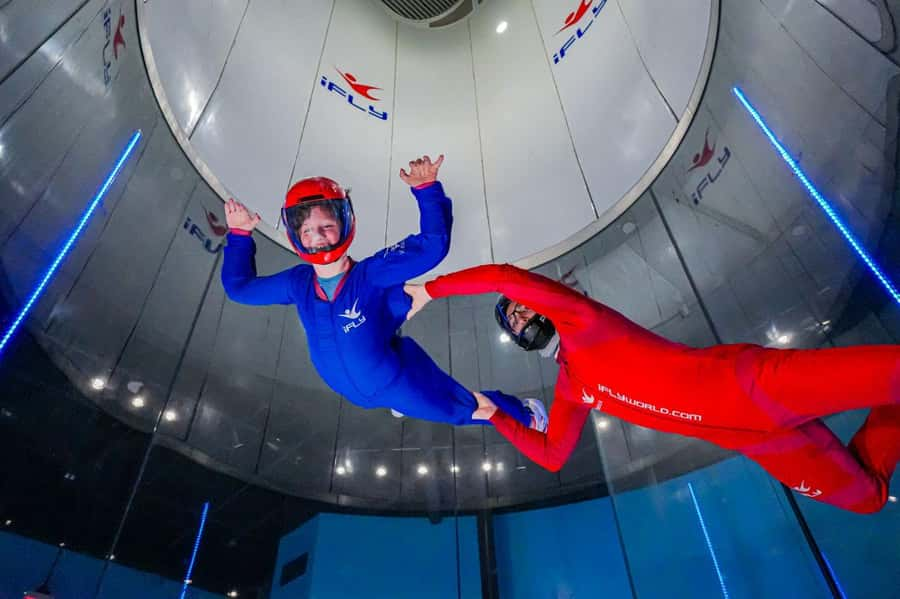
The real thrill here is freefall without an airplane. At Austin iFLY, a powerful vertical wind tunnel lifts you into the air while an instructor helps you control your body. You get the sensation of skydiving, but your feet are only a short distance from the tunnel floor.
I like the one-on-one instruction and the fact that all flight gear is included, from the suit and helmet to goggles, earplugs, and shoes. I also like the value for people who want to try skydiving without paying for a tandem jump. The main drawback is the price if you judge it by flight time alone: $135 buys about two minutes in the air, often split into two one-minute flights.
Key points to know before booking
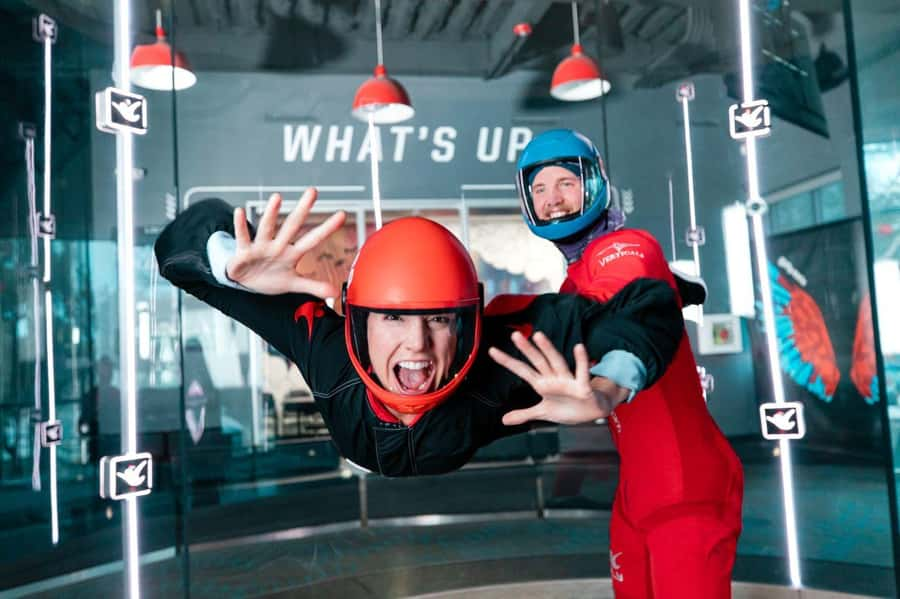
- Two minutes of indoor freefall: Your flight time is far longer than a typical brief sensation in many aerial activities, though it is usually divided into separate turns.
- An instructor controls the learning curve: You receive training before entering the tunnel and personal help with body position during the flight.
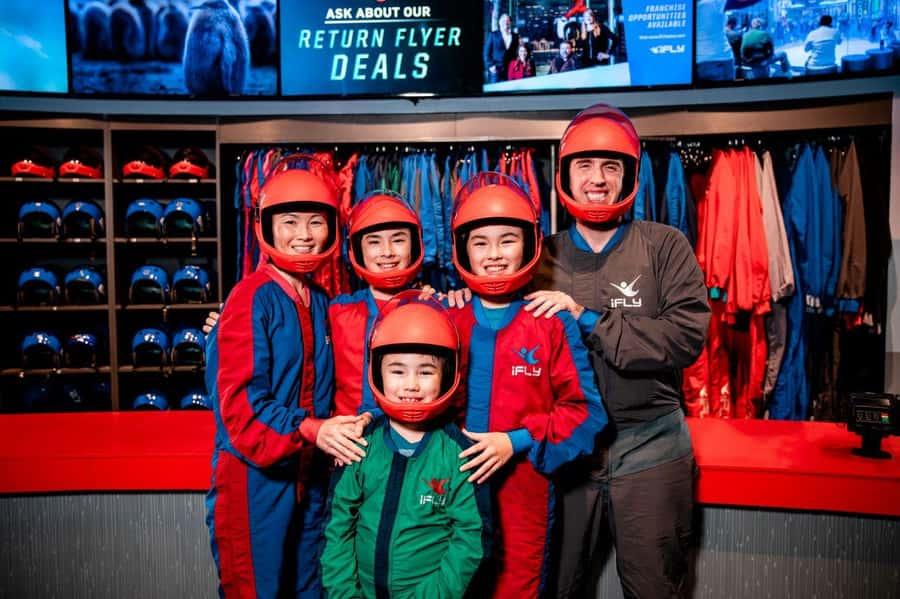
- All essential equipment is supplied: Your package includes a flying suit, helmet, goggles, earplugs, shoes, and a locker.
- A strong choice for families: Children age 3 and older can fly, and the activity is designed to suit kids, teens, and adults.
- Check the health and weight rules carefully: Flyers over 300 pounds cannot participate, and some medical conditions or injuries rule out flight.
- Photos cost extra: The experience includes the flight but not photographs, so plan your budget accordingly.
What Austin iFLY actually gives you
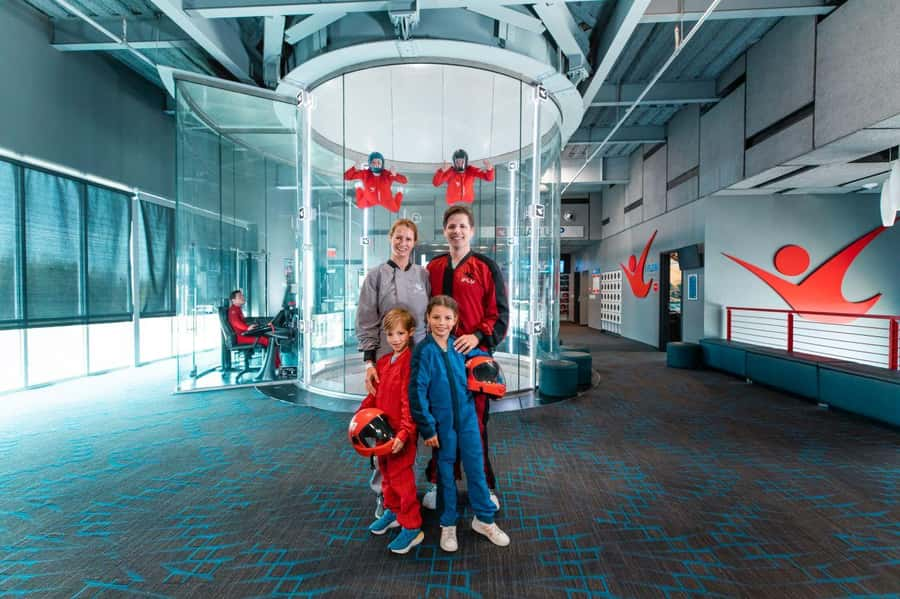
This is not a parachute jump, and you will not leave an aircraft. Instead, the wind tunnel creates a steady column of air strong enough to support your body. You lie face down in the airflow and make small adjustments with your arms, legs, and torso.
That difference matters. A tandem skydive gives you the height, open-air views, and dramatic aircraft exit. iFLY gives you a controlled indoor setting where you can focus on the physical feeling of flight. If your main goal is to feel your body float and learn how position affects movement, this simulator offers a safe and practical introduction.
The full visit lasts 90 minutes. That time includes preparation, instruction, changing into equipment, and the actual flight sessions. Do not mistake the 90-minute visit for 90 minutes in the air. Your included flight time is about two minutes, generally split into two one-minute turns.
Those two turns are useful. The first lets you get used to the air pressure and the odd sensation of having no solid support. During the second, you can apply what you learned and make better use of your time. Still, the clock moves quickly, and one verified booking described the two one-minute flights as a little expensive for the amount of air time. That is the clearest value concern to keep in mind.
More Indoor Skydiving in the USA:
Your first steps: training and equipment
You begin at the activity provider’s Austin location. An English-speaking instructor explains how to position your body and how to respond inside the tunnel. The goal is not to teach you advanced aerial tricks in one visit. It is to give you a simple set of movements that helps you stay stable and communicate with the instructor.
The body position is the heart of the experience. Small changes can affect your balance and direction. You learn how your arms, legs, and body shape influence the way you float. The instructor remains close by during the flight and can help guide your position.
You then put on the supplied gear. The package includes:
- Flying suit
- Helmet
- Goggles
- Earplugs
- Shoes
- Locker
This saves you from renting or buying specialist equipment. Wear practical clothes underneath, though the supplied information does not specify a required outfit. Bring a passport or ID card, as identification is required.
The gear also helps explain why the activity can feel more serious than a simple amusement ride. The helmet and goggles protect your head and eyes from the strong airflow, while earplugs reduce the noise. The suit gives you the shape and coverage expected for indoor flight.
Entering the tunnel for the first flight
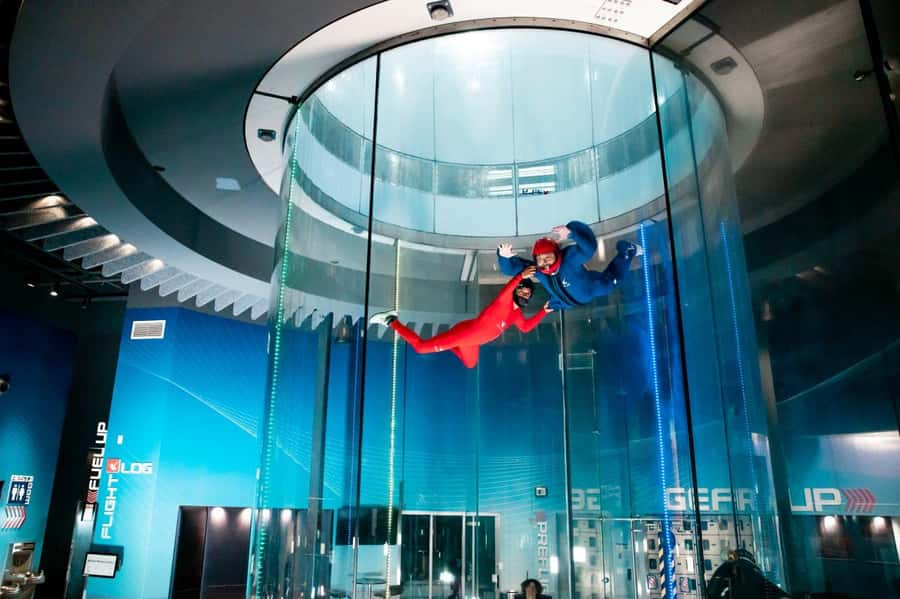
The first flight is about getting your bearings fast. You step into the tunnel with the instructor and allow the air to lift your body. At first, your instincts may work against you. Many people try to push down or stiffen up when they feel unstable, but the lesson is to make controlled adjustments instead.
The instructor teaches you how to keep your body arranged for stable flight. You do not need to arrive with athletic skill or skydiving experience. The activity is built around instruction, and the staff can help you make the basic position work.
This is where the simulator earns its place. You are not simply watching a machine create wind. You are actively learning how to respond to it. The feeling is physical and immediate, and the two minutes of flight can feel more demanding than the short time suggests.
The first turn may pass quickly because your attention is divided between balance, breathing, and following directions. That is normal for this kind of experience. The value of the second flight is that you already understand the basic sensation and can concentrate more on control.
The second flight and the feeling of progress
Your second turn gives you a fresh chance to improve. You may be able to hold a steadier position, respond more quickly to the instructor, or simply relax enough to enjoy the sensation. The session is still short, but it is not just a repeat of the first attempt.
The instructor can help you test different body positions. The supplied description emphasizes that you learn how to control flight with your arms, legs, and torso. You should not expect a full course in advanced indoor skydiving, but you can expect a direct lesson in the basic mechanics of staying aloft.
This is also the part that tends to produce the biggest smile. The team has been praised for being friendly, and the flight itself has received especially strong approval. That combination matters. A high-energy activity works best when the staff can keep the mood relaxed while still giving clear directions.
You may leave feeling that you have only begun to learn. That is true. The experience is an introduction, not a complete training program. If you want longer sessions or advanced skills, you would need a different package or further visits, neither of which is included here.
More Skydives in the USA:
- Atlanta Indoor Skydiving Experience with 2 Flights & Personalized Certificate
★ 4.5 · 68 reviews - Chicago Lincoln Park Indoor Skydiving with Two Flights
★ 4.5 · 67 reviews - Fort Lauderdale Indoor Skydiving with 2 Flights & Personalized Certificate
★ 4.5 · 57 reviews - Phoenix Indoor Skydiving Experience with 2 Flights & Personalized Certificate
★ 4.5 · 55 reviews
Safety without the aircraft or parachute
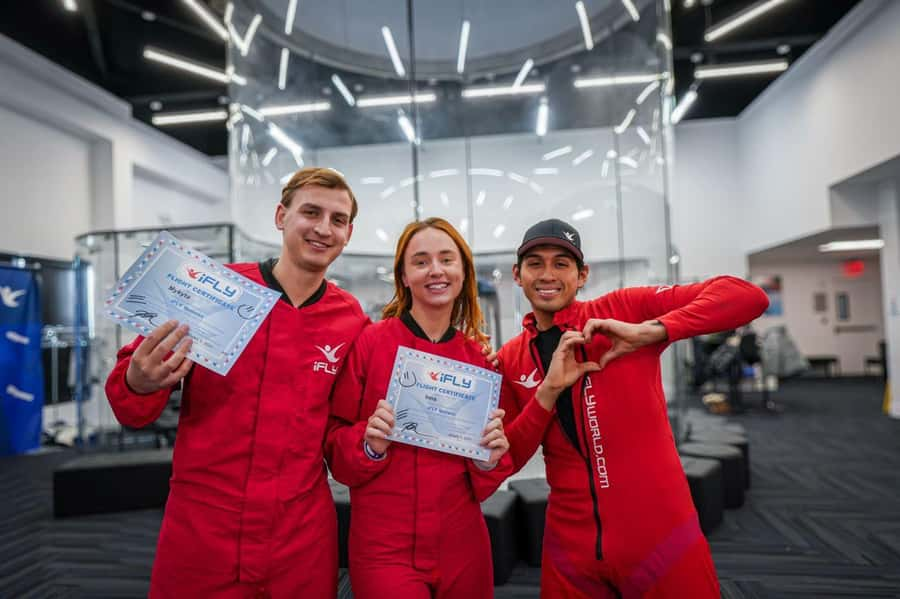
The main appeal for many people is the controlled setting. You get the sensation of freefall from the ground, with training and equipment provided before you enter the tunnel. There is no aircraft exit, parachute deployment, or open-air drop.
That makes the activity a good fit for someone curious about skydiving but not ready for a tandem jump. It can also work for a family group with different comfort levels. One person may be interested in the physical challenge, while another simply wants to try a new sensation in a supervised environment.
Safe does not mean effortless. The activity is physical, and the wind places demands on your body. You should not fly if you are pregnant, have back or heart problems, or have a current or past head, neck, back, or shoulder injury that could affect physical activity.
People with a hard cast or a hard prosthetic that cannot be removed are not permitted to fly. Anyone with a previous shoulder dislocation is advised not to participate. If you are unsure about a medical condition, take the warning seriously and ask the provider before booking.
Age, weight, and access rules
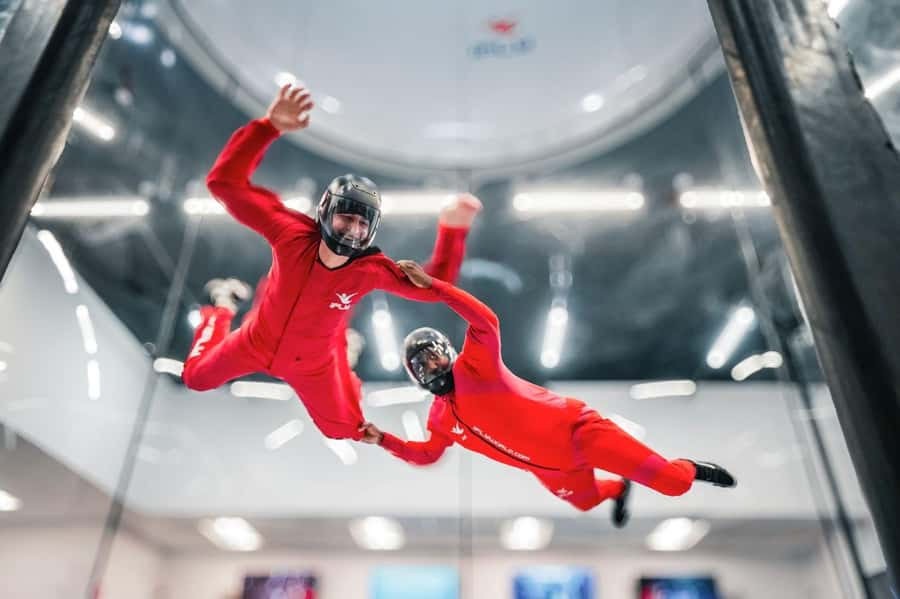
Children age 3 and older can fly. That makes this more flexible than many high-adrenaline activities, though a young child’s comfort and ability to follow instructions will still matter. The experience is presented as suitable for kids, teens, and adults, with the instructor adjusting the lesson to the participant.
Weight limits are strict. Anyone over 300 pounds, or 136 kilograms, cannot fly. Flyers between 260 and 300 pounds may be accepted, but a staff member must evaluate them at check-in. Extra restrictions may apply.
The venue is wheelchair accessible. That is useful for getting into the facility, but the supplied information does not explain every detail of transferring into the flight position or how individual mobility needs are handled. If you use a wheelchair, contact the provider ahead of time to discuss the physical steps involved.
Is $135 a fair price?
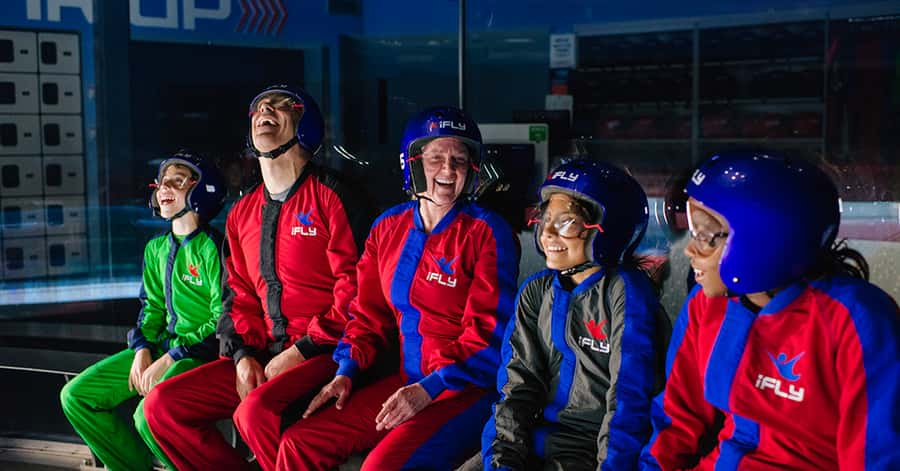
At $135 per person, this is not a cheap short attraction. The price includes the instructor, training, equipment, locker, and the indoor flight itself. You do not need to pay for a plane, parachute, or specialist clothing.
The strongest value comes from comparison with a tandem jump. Indoor flight lets you try the body sensation of freefall at a fraction of the cost of real skydiving. It also removes the aircraft and weather factors that can make an outdoor jump feel like a major commitment.
The weaker value is the short flight time. Two minutes sounds generous until you realize it may be split into two one-minute flights. If you care only about minutes in the air, the price can feel high. If you value the instruction, the equipment, the controlled setting, and the chance to try the activity without jumping from an aircraft, the calculation looks better.
Photos are not included. If you want a visual record, expect that to cost extra. Since the flight itself is brief, photographs may be appealing, especially for a family or a first-time flyer, but they should be treated as an optional add-on rather than part of the advertised price.
Who will get the most from this experience?
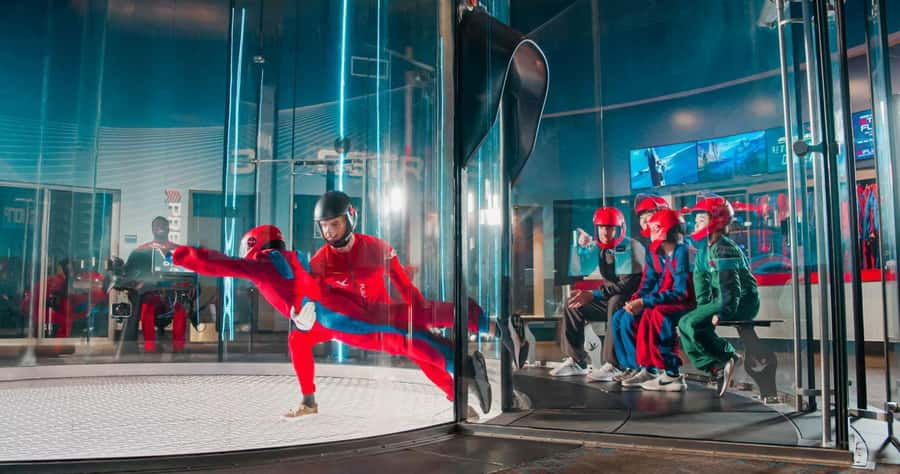
I would choose this for a first-time flyer who wants a strong physical thrill without committing to an outdoor skydive. It is also a sensible pick for families with children age 3 or older, groups of friends, and adults who have always wondered what freefall feels like.
It suits you particularly well if you enjoy learning through movement. The instructor is not simply there to supervise. You receive guidance on body position and a chance to improve between flights.
I would think twice if you are expecting a long, cinematic skydiving experience. There are no mountain views, no aircraft, and no long descent under a parachute. You get the body sensation of freefall in an indoor space, which is a different product.
The activity may also disappoint if you dislike paying a premium for a brief experience. The two-minute flight is the key detail to weigh before you commit.
Practical details that can save you trouble
The meeting point is the activity provider’s location, so you will need to make your own way there. No transportation is included in the information provided.
Check the available starting times before selecting a date. The visit lasts 90 minutes, but the booking requires a scheduled start. Arrive prepared with your passport or ID card.
The instructor speaks English. If you do not speak English comfortably, consider how easily you can follow body-position and safety directions before booking.
This activity is non-refundable. That makes it important to check your schedule, health, and weight eligibility first. If you are close to the upper weight range or have a past injury, get clarification before making a non-refundable purchase.
Should you book the Austin iFLY session?
Book it if you want a controlled, energetic introduction to skydiving and value the instructor, gear, and indoor setting as much as the flight time. The friendly staff, strong flight experience, and chance to fly from the ground are the main reasons to choose it.
Skip it if your dream is the full outdoor jump, complete with aircraft height, open sky, and a parachute descent. Also skip it if $135 feels too high for two short flights.
For most first-timers, I think the best way to view this is as a compact lesson in freefall, not a replacement for a tandem skydive. Go in expecting about two minutes of actual air time, listen closely to the instructor, and you are more likely to leave smiling instead of wondering where the rest of the session went.
FAQ
How long does the Austin iFLY experience last?
The full activity lasts 90 minutes. This includes training, preparation, equipment, and the flight sessions.
How much does the experience cost?
The listed price is $135 per person.
How much actual flight time do I get?
You receive about two minutes of flight time. This is generally split into two one-minute flights.
Is an instructor included?
Yes. An English-speaking instructor provides training and one-on-one instruction during the experience.
What equipment is included?
The package includes a flying suit, goggles, earplugs, shoes, helmets, and a locker, along with the flight gear.
Do I need to bring identification?
Yes. You should bring a passport or ID card.
Can children participate?
Yes. Flyers must be at least 3 years old.
Can someone over 300 pounds fly?
No. People over 300 pounds, or 136 kilograms, cannot fly. Those between 260 and 300 pounds may need an evaluation at check-in.
Is the venue wheelchair accessible?
Yes, the activity is listed as wheelchair accessible. The provided information does not specify the details of transferring into the flight position, so contact the provider if you need individual assistance.
Can pregnant women participate?
No. Pregnant women should not fly.
Are photos included?
No. Photos are not included in the price.
Is the activity refundable?
No. The activity is non-refundable.
Just added around the USA
- Sacramento Indoor Skydiving Experience with 2 Flights & Personalized Certificate★ 4.5 · 20 reviews
- San Francisco Indoor Skydiving with 2 Flights & Personalized Certificate★ 5.0 · 11 reviews
- Portland Indoor Skydiving Experience with 2 Flights & Personalized Certificate★ 4.5 · 12 reviews
- Westchester Indoor Skydiving Admission with 2 Flights & Personalized Certificate★ 4.0 · 16 reviews
- Paramus Indoor Skydiving Experience with 2 Flights & Personalized Certificate★ 4.5 · 16 reviews
- New York Queens Indoor Skydiving Experience With 2 Flights★ 5.0 · 4 reviews
- 3-Hour Tandem Skydiving in Las Vegas★ 3.5 · 15 reviews
- Loudoun Indoor Skydiving Experience with 2 Flights & Personalized Certificate★ 4.0 · 17 reviews
USA Skydiving, compared.
Orlando Indoor Skydiving Experience with 2 Flights & Personalized Certificate
Read our review →
Baltimore Indoor Skydiving Experience with 2 Flights & Personalized Certificate
Read our review →
Tampa Indoor Skydiving Experience with 2 Flights & Personalized Certificate
Read our review →
Atlanta Indoor Skydiving Experience with 2 Flights & Personalized Certificate
Read our review →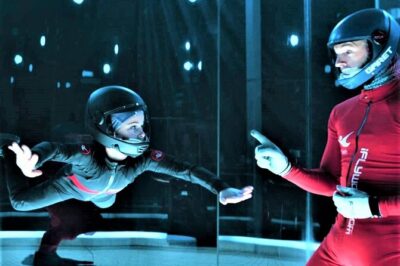
Chicago Lincoln Park Indoor Skydiving with Two Flights
Read our review →
Fort Lauderdale Indoor Skydiving with 2 Flights & Personalized Certificate
Read our review →
Phoenix Indoor Skydiving Experience with 2 Flights & Personalized Certificate
Read our review →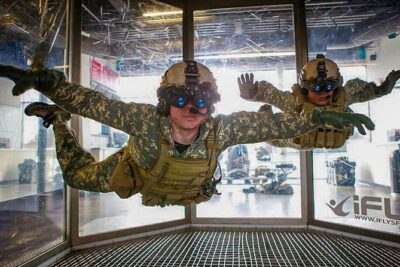
Charlotte Indoor Skydiving Experience with 2 Flights & Personalized Certificate
Read our review →Browse the lists this tour appears in