
REVIEW · THE UNITED STATES
Minneapolis Indoor Skydiving Admission with 2 Flights & Personalized Certificate
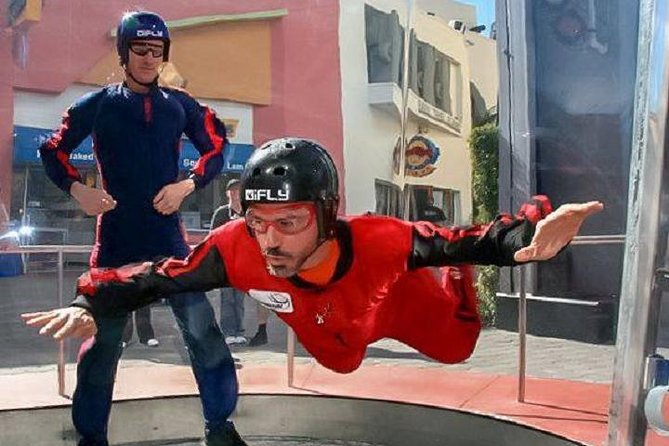
At iFLY Minneapolis, you get the sensation of freefall without an airplane, parachute, or leap from a platform. A powerful vertical wind tunnel sends air upward at speeds reaching 130 to 175 mph, keeping you suspended in a smooth column while an instructor guides your body position.
I like the two one-minute flights, since the second turn gives you a chance to apply what you learned the first time. I also like the patient instructor support, which makes this far less intimidating than the word skydiving might suggest. The main drawback is price: at $106.45, you pay more than $50 for each minute in the tunnel.
Key Points Before You Book
- Two 60-second flights: You fly one at a time with an instructor, not by yourself in the chamber.
- No previous experience needed: Training and all required equipment are included.
- Ages 3 and up: Children under 18 need a parent or guardian to sign the waiver.
- Bring the right shoes: Wear comfortable clothing and well-fitting, lace-up sneakers or running shoes.
- Allow 75 to 90 minutes: The published timing varies, so do not schedule this too tightly against another activity.
- Certificate included: You leave with a personalized flight certificate, a nice keepsake for a first flight.
Arriving at iFLY Minneapolis in Minnetonka
The activity begins at iFLY Indoor Skydiving Minneapolis, at 12415 Wayzata Boulevard, Suite 15, in Minnetonka. You arrange your own transportation, since hotel pickup and drop-off are not included. Food and drinks are also not part of the booking.
Plan to arrive 10 to 15 minutes early. This matters because the session begins with check-in, gear, and instruction, and late arrival could cut into your preparation time. Your mobile ticket is accepted, and confirmation is provided when you book.
The facility is built around one main attraction: an enclosed vertical flight chamber. Rather than jumping from a plane, you step into the airflow at ground level. The fans pull and compress air through the system, then send it upward through the chamber in a steady column.
That design is what makes the activity approachable. You are not falling toward the ground, and there is no parachute to manage. The air supports your body from below, while the instructor helps you stay in the correct position.
More Indoor Skydiving in the USA:
Training Comes Before the Wind Tunnel
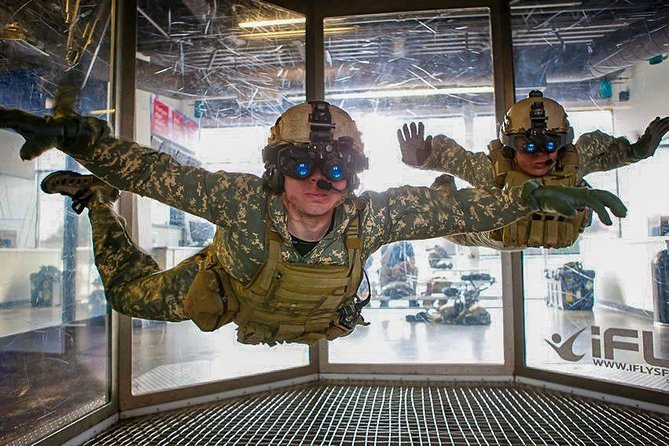
Every first-time flyer takes part in a training session. This is not a formality. You learn how to position your arms and legs, how to respond to the instructor, and what to expect once the air reaches flight speed.
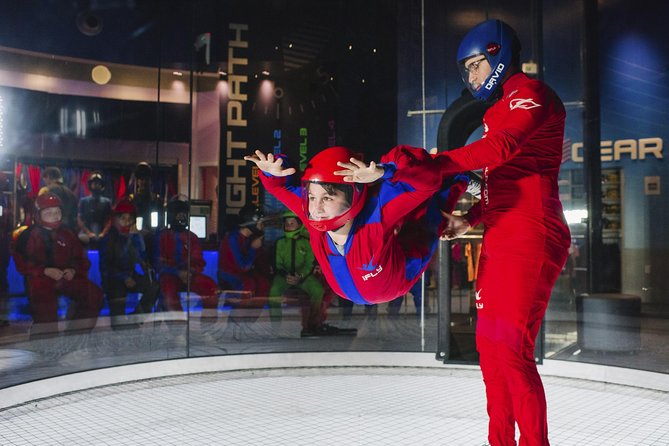
The training also gives you a chance to ask questions before entering the chamber. You will wear a flight suit over your clothes, along with the necessary safety equipment. The suit has handles that allow the instructor to steady or reposition you when needed.
Wear a shirt without a collar if possible, along with comfortable pants. Lace-up running shoes or sneakers are recommended. Remove watches, rings, bracelets, necklaces, earrings, and loose hair accessories. Empty your pockets before flying. Lockers are available, but leaving valuable items at home is the simpler plan.
If you wear glasses, larger goggles are available to fit over them. Long hair should be braided and secured in a low bun.
The group format means you will not be in the chamber continuously. A session may include several people, with group-size information ranging from up to six participants in one description to a maximum of 12 for the activity. In practice, you should expect a shared session with people taking turns.
That shared format can be useful for families and friends. You can watch one another and compare notes between turns. It also means this is not a private lesson, so anyone hoping for uninterrupted instructor time should set expectations accordingly.
Your First 60-Second Flight
When your turn arrives, you enter the flight chamber with your instructor. The operator gradually increases the airflow until you are supported above the floor.
The sensation is closer to floating in strong wind than dropping through space. You do not jump, and you do not feel the stomach-lurching fall associated with a roller coaster. Breathing is described as normal, much like putting your head near an open car window.
Your instructor remains with you throughout the flight. For a first attempt, the main goal is simple: keep your body stable, listen to hand signals, and get used to the force of the air. Small adjustments in your arms, legs, and hips affect how you move.
You may be able to make basic turns or shift position during your first flight, but flips and more advanced tricks are reserved for experienced flyers. This is not the place to improvise. Let your instructor decide when you are ready to try anything beyond the basic position.
The first flight lasts 60 seconds. That might sound brief, but the airflow is intense and the concentration required can make a minute feel substantial. You will also spend time waiting your turn and receiving instruction, so the value of the session is not measured only by time in the chamber.
The Second Flight Is Where the Lesson Pays Off
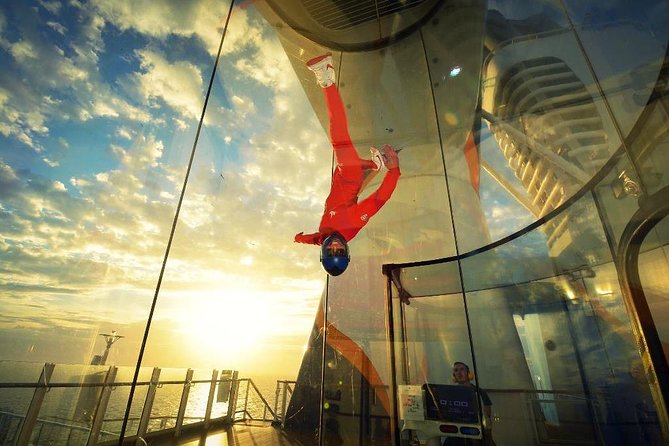
The second 60-second flight is an important part of this package. You have already felt the airflow, learned the basic body position, and seen how the instructor communicates. That gives you a better chance to relax and make useful corrections.
For many beginners, the first flight is about getting comfortable. The second can feel more controlled. You might hold your position more steadily, respond faster to signals, or make a simple movement that seemed out of reach a few minutes earlier.
Your instructor may also help you improve your form. Staff members such as Troy, Trever, and Paul have been associated with especially warm and reassuring sessions, though your instructor depends on the schedule. The best part of the setup is that you are never left to figure it out alone.
The two-flight format is a better choice than a single short turn if this is a special occasion or a family outing. You get a genuine chance to learn, rather than simply being placed in the airflow once and sent home. Still, do not expect a full professional training session. Two minutes of flight time is an introduction, not mastery.
More Skydives with Photos and Video in the USA:
- Atlanta Indoor Skydiving Experience with 2 Flights & Personalized Certificate
★ 4.5 · 68 reviews - Fort Lauderdale Indoor Skydiving with 2 Flights & Personalized Certificate
★ 4.5 · 57 reviews - Phoenix Indoor Skydiving Experience with 2 Flights & Personalized Certificate
★ 4.5 · 55 reviews - Charlotte Indoor Skydiving Experience with 2 Flights & Personalized Certificate
★ 4.0 · 46 reviews
What Makes the Airflow Feel Safe
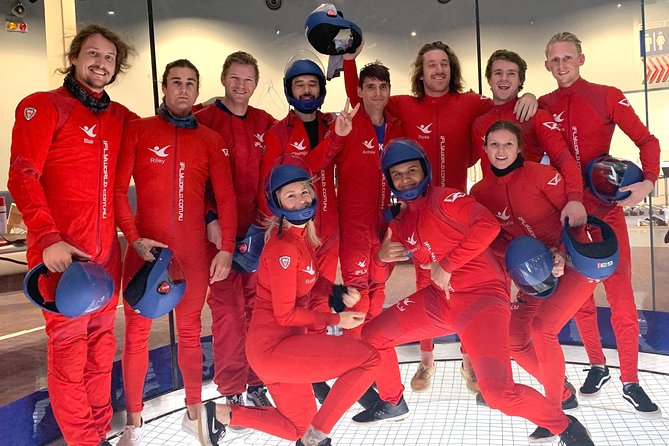
The tunnel sends air upward through the entire width of the flight area. This wall-to-wall airflow is important because it reduces the chance of drifting off a narrow stream of air.
The operator controls the wind speed, and the instructor stays beside you. Together, those safeguards make the activity suitable for first-timers. The facility is designed to let you experience the body position and sensation of freefall while remaining inside a controlled indoor setting.
You may still feel nervous before entering. That is normal. The sound of the fans and the force of the air can seem dramatic from the observation area. Once inside, however, there is no airplane door, no jump, and no sudden drop.
Safety restrictions are firm. You cannot fly if you are pregnant, have certain neck, back, heart, or shoulder problems, have injuries, or are wearing a hard cast. Anyone with a previous shoulder dislocation should not participate.
The stated maximum weight is 300 pounds. If you weigh between 260 and 300 pounds, note your current weight when booking and expect an additional evaluation at check-in. There are no height restrictions.
People with physical or cognitive challenges can call the location at 612-444-4359 to request a certified instructor for an All Abilities flight. Service animals are allowed.
Is $106.45 a Fair Price?
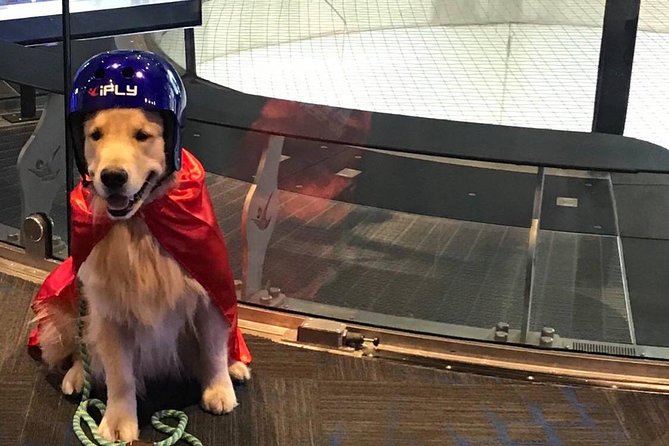
The price is $106.45 per person. That includes two flights, instruction, all flight equipment, the certificate, taxes, fees, and handling charges.
The basic calculation is not especially flattering: two 60-second flights equal two minutes of actual tunnel time, or roughly $53 per minute. One of the most common concerns with indoor wind tunnels is that the clocked flight time feels short compared with the total cost.
The fuller picture is better. Your payment also covers the training class, staff support, equipment, changing and preparation time, and the operation of a large 800-horsepower facility. You are paying for a tightly supervised activity, not simply two minutes of air.
I would call it good value for a special outing, especially if you want to try something unusual and appreciate a guided introduction. I would be more cautious if you are comparing it only by minutes of activity. Some people decide to purchase another flight package on the day they fly, but you should first decide if the initial two turns felt worth the cost.
An optional higher flight to the top of the chamber may cost extra. One important tip is to ask about this before your session begins if reaching the top is part of your goal. It is not included in this package, and the standard two flights should not be confused with a high-flying add-on.
A Good Pick for Families and First-Timers
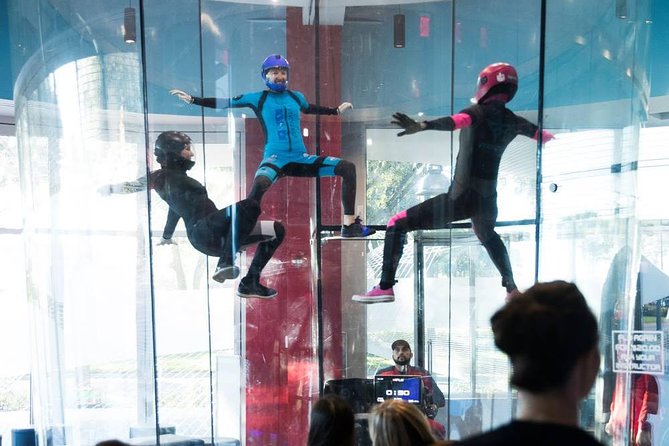
The minimum age is three, and there is no stated upper age limit. That makes this a flexible choice for families with children, parents, and older relatives who meet the health requirements.
Children under 18 need a parent or guardian to sign the waiver. Younger children may need extra reassurance during training, but the instructor is present in the chamber and the airflow can be adjusted gradually.
This also works well for a group of friends. People can watch from the observation area, including friends or family members who do not want to fly. That is useful if someone is curious but not ready to participate.
The activity suits you best if you:
- Want a first taste of skydiving without an aircraft
- Enjoy trying new physical activities
- Are comfortable following instructions in a group setting
- Want a family activity with a certificate to take home
- Are a student skydiver looking to practice basic body control
It may not suit you if you want a long session, a private lesson, or a quiet activity. The tunnel is loud, the wind is forceful, and the actual flight portions are short.
Timing, Cancellations, and Practical Planning
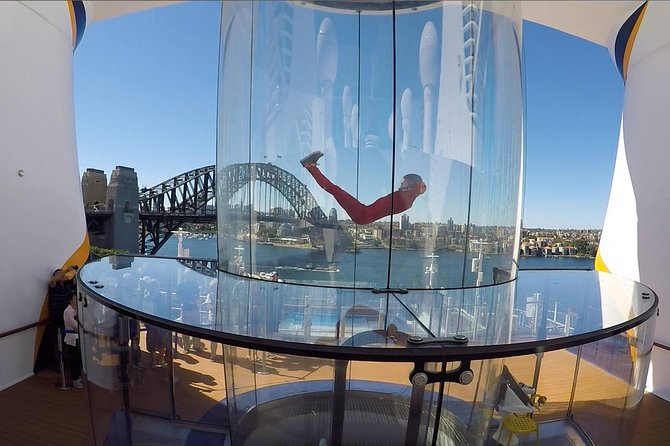
The listed duration is about 1 hour and 15 minutes, while the activity information also gives an approximate total of 1 hour and 30 minutes. I would plan for the longer figure, especially if you want time for check-in, changing, instruction, turns, and the certificate.
Do not book another appointment immediately afterward. The session is structured, but the exact pace depends on group size and the number of participants taking turns.
If you need to change your reservation, call the Minneapolis location directly. Date and time changes cannot be handled through other methods. Cancellation is free if you cancel at least 24 hours before the scheduled start time. Within 24 hours, the payment is not refunded and changes are not accepted.
The experience is offered in English. It ends back at the iFLY location, with no transportation provided to another stop.
The Certificate and the Overall Experience
The flight certificate is a small but useful finishing touch. It gives children something concrete to take home, and adults may appreciate it as a record of a first attempt.
The strongest part of the activity is the staff interaction. A good instructor can turn a noisy, unfamiliar machine into a manageable lesson. The instructors associated with this location are described as friendly, entertaining, and calming, with Troy, Trever, and Paul receiving especially positive attention.
That human element matters. The wind tunnel supplies the force, but the instructor supplies the confidence. You are learning a new body position while being watched closely, and a calm guide can make the difference between tense flailing and a stable float.
The main weakness remains the cost-to-flight-time ratio. Two minutes is enough to get a real taste, but not enough for advanced skills. If you judge the activity by the full visit, the training and supervision add value. If you judge it only by time airborne, it is expensive.
Should You Book the iFLY Minneapolis Experience?
Book it if you want a memorable first flight, need an activity that works for a mixed-age group, or like the idea of controlled adrenaline without jumping from a plane. The two flights are worth choosing over a single turn because the second attempt lets you use what you learned.
I would especially recommend it for families, birthdays, curious beginners, and anyone considering outdoor skydiving but not ready for an aircraft. Arrive early, wear proper shoes, check the health restrictions carefully, and ask about any extra-cost high flight before you start.
Skip it if your budget is tight or you want a long period of activity for the money. At $106.45, this is a short, polished introduction rather than an inexpensive casual pastime. For the right person, the instructor guidance, unusual sensation, and certificate make it a memorable outing.
FAQ
How does the Minneapolis indoor skydiving experience work?
Fans move air through the vertical flight chamber and compress it before sending it upward. The resulting column of air supports your body so you can float without jumping from a plane.
How long is each flight?
Each flight lasts 60 seconds. The package includes two flights for one person.
How early should I arrive?
Arrive 10 to 15 minutes before your scheduled reservation so you have time to check in and prepare.
What should I wear?
Wear comfortable clothes and well-fitting, lace-up sneakers or running shoes. A flight suit is worn over your clothes. Long hair should be braided and secured in a low bun.
Are there age and weight limits?
The minimum age is three, and children under 18 need a parent or guardian to sign the waiver. Participants must weigh less than 300 pounds. Those between 260 and 300 pounds require an evaluation at check-in.
Can I cancel for a refund?
Yes. You can receive a full refund if you cancel at least 24 hours before the scheduled start time. Cancellations or changes made within 24 hours are not accepted and are not refunded.
Just added around the USA
- Sacramento Indoor Skydiving Experience with 2 Flights & Personalized Certificate★ 4.5 · 20 reviews
- San Francisco Indoor Skydiving with 2 Flights & Personalized Certificate★ 5.0 · 11 reviews
- Portland Indoor Skydiving Experience with 2 Flights & Personalized Certificate★ 4.5 · 12 reviews
- Paramus Indoor Skydiving Experience with 2 Flights & Personalized Certificate★ 4.5 · 16 reviews
- Westchester Indoor Skydiving Admission with 2 Flights & Personalized Certificate★ 4.0 · 16 reviews
- New York Queens Indoor Skydiving Experience With 2 Flights★ 5.0 · 4 reviews
- 3-Hour Tandem Skydiving in Las Vegas★ 3.5 · 15 reviews
- Loudoun Indoor Skydiving Experience with 2 Flights & Personalized Certificate★ 4.0 · 17 reviews
USA Skydiving, compared.
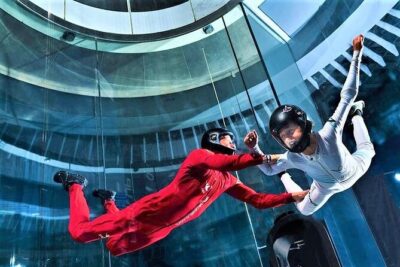
Orlando Indoor Skydiving Experience with 2 Flights & Personalized Certificate
Read our review →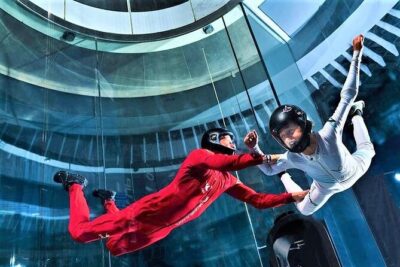
Baltimore Indoor Skydiving Experience with 2 Flights & Personalized Certificate
Read our review →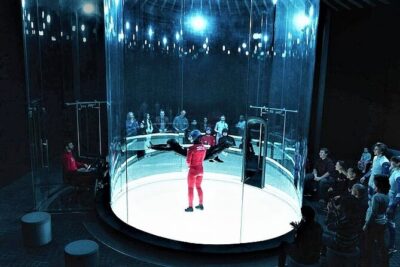
Tampa Indoor Skydiving Experience with 2 Flights & Personalized Certificate
Read our review →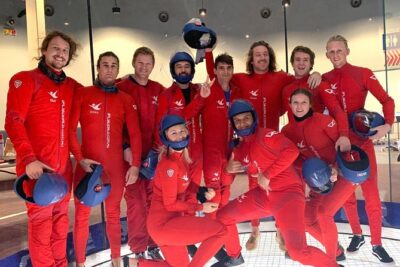
Atlanta Indoor Skydiving Experience with 2 Flights & Personalized Certificate
Read our review →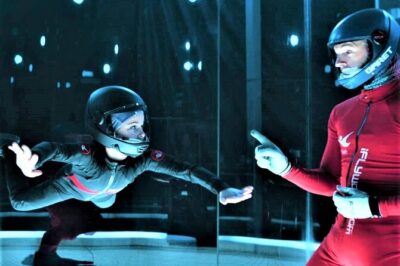
Chicago Lincoln Park Indoor Skydiving with Two Flights
Read our review →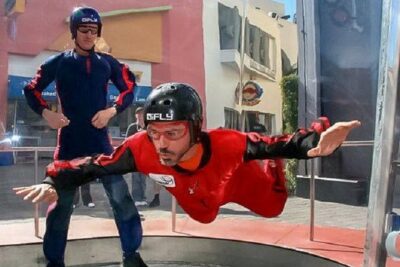
Fort Lauderdale Indoor Skydiving with 2 Flights & Personalized Certificate
Read our review →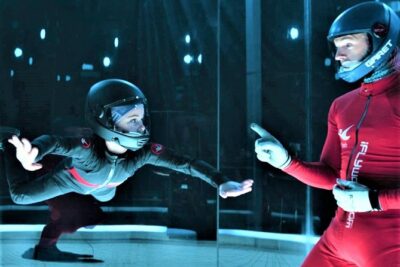
Phoenix Indoor Skydiving Experience with 2 Flights & Personalized Certificate
Read our review →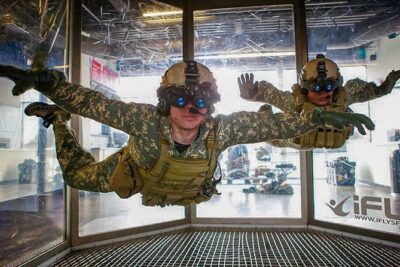
Charlotte Indoor Skydiving Experience with 2 Flights & Personalized Certificate
Read our review →Browse the lists this tour appears in